

Professional tree pruning service enhances health, safety, and beauty with expert branch removal, crown shaping, maintenance, and seasonal precision expertise.

Tree Pruning In London
Crown Tree Surgeons offers comprehensive tree pruning services in London to efficiently enhance the safety, structure, and aesthetics of your trees.
Our expert tree trimming services include crown thinning, deadwood removal, and tree structural reshaping.
We prioritise tree health maintenance, promoting vigorous growth, disease prevention, and long-term resilience for your urban green spaces.
Book a Free Consultation
Book a free consultation with Crown Tree Surgeons today for expert tree pruning services in London.
Our experienced team will assess your trees, discuss your specific needs, and recommend the best pruning solutions to enhance safety, appearance, and overall tree health. Whether it’s crown thinning, deadwood removal, or shaping, we offer tailored tree trimming services.
Get in touch now and keep your trees healthy, safe, and looking their best.

Request a free
consultation

Getting you booked in
for a site visit

Free quotation for work to
be carried out
Customer Reviews
Posted on Google
 Matthew Johnston
Trustindex verifies that the original source of the review is Google.
Absolutely excellent, from start to finish! The quote was to remove 2 tall stumps and to grind the roots. The preferred method was to use WhatsApp (On a Saturday) by sending a photo. We agreed a price, and a date for work to commence (the following Monday at 8am). The workmen were on time, very polite, wore all the PPE required, even put up hoardings around the site when using machinery. Job done by 9am, all cleaned up and equipment removed. The site was left in an excellent state, would never have known there was a tree there. Photo's included show the work site before and after. I have decided that all our future arborist work will be directed their way.
 Posted on Google
 Brett ATree Survey. Absolute pleasure having these professionals remove our overgrown Bay tree. On time, worked at a great pace, very clean afterwards and very knowledgeable about what they do. Thank you for providing such an excellent service today.
 Posted on Google
 Guy HillVery happy with the tree survey supplied by Crown Tree Surgeons. We had been asked to produce a tree survey by our local authority as we currently have a planning application to build a flat roof extension. David talked us through the process, gave us his time when we met in person explaining what the report contains and how it is used by the planning department. Overall I am very happy with the no fuss approach and would recommend Crown Tree Surgeons to anyone looking for a tree survey.

 Posted on Google
 Dee MichalakisWe recently used Crown Tree Surgeons to undertake a tree survey of our sycamore tree as it was a requirement by our local planning authority before we can build an extension on the back of our house. This was all new to us as we had no idea that a report was necessary. David explained the whole process and how a BS5837 report would be needed and compiled and then used as part of our planning application process. Both myself and my husband were very grateful, we would recommend to anyone also looking for a tree report.
 Posted on Google
 Chloe BraidfordCrown Tree Surgeons were extremely flexible and helpful! The team gave their time to come and help Demelza Hospice Care for Children with their 2023 Tree-Cycle Event. Around 300 trees were chipped on site and we couldn't be more grateful for their support.
 Posted on Google
 Daniel WestonVery impressive service - left everything neat and tidy. Quoted over WhatsApp, turned up a few days later as agreed and completed professionally. Will work with them again.
 Posted on Google
 Phyo PaingThey done a great job… very well done … nicely tidying all the area … so professional… highly recommend

 Posted on Google
 Wayne CrouchVery happy with Crown Tree Surgeons. Their team arrived on time, were friendly, did the job efficiently and left everything neat and tidy. The removed a large tree that had been damaged in a recent storm.

 Posted on Google
 LeeGreat service from Crown Tree Surgeons, emailed about work, got a reply the same day, site visit by Davis the following day. He explained everything regarding the shrub removal. The lads from Crown Tree Surgeons removed all shrubs and cleaned everything away, very professional service, would highly recommend.

 Posted on Google
 Eralp SemiI have appointed Crown tree surgeons to remove 2 large trees and trim another large tree to the rear of my garden, I am delighted with their efficient service and competitive rates. They were punctual, very efficient and have left no mess behind. I would highly recommend their services.


 Posted on Google
 Elliot Mellody-DawesExcellent service, quote was provided quickly at a competitive price. The work was carried out very quickly and efficiently, and the working area was left cleaner than when they started! Highly recommend.

 Posted on Google
 Sahil GovindiaVery happy with the work carried out by Johnathan and the team. Professional, thorough job and would highly recommend.

 Posted on Google
 Karjun TsangFantastic company and a great team they have. Very professional and highly skilled in removing a fallen tree. A team of 5 came early morning today to remove the tree. Very happy with the service. Will definitely use them again for future tree work


 Posted on Google
 charlotte fassetSuper pleased! We have never used a tree surgeon before and didn't really know where to start. I made contact with Crown Tree Surgeons a couple of months ago, a young pleasant guy turned up to quote he explained that the tree was protected and that planning permission was needed. There price was not the cheapest but we still decided to go with them as i wanted to be sure that my neighbours garden was protected as he kindly agreed to remove the waste from the tree through his garden. So i left for work early morning and didn't return until late, i woke up this morning to see the result and i am so pleased, the trees look amazing, we finally have light in our garden and our neighbour is also very pleased! thank you

 Posted on Google
 Katharine RayVery pleased with work carried out today - efficient service and spotless clear up.Posted on Google
 James MartinAfter a tree survey David and his team provided a clear and competitive quote to remove two large fruit trees. Site visit the day before then the work carried out efficiently and left the property clean and tidy. Very professional. A*Posted on Google
 Richard BoughtonVery experienced staff on site able to answer any questions I had. Very accommodating to last minute changes I had made. Will definitely be using again 10/10Posted on Google
 Peter CottrellIf you need tree survey work or advice from an Arborist, I cannot recommend Crown Tree Surgeons highly enough. Sensible and user friendly advice, very responsive, they’re excellent.Posted on Google
 Jenny ShearerThey gave me a quote promptly. They arrived promptly on the day. Then they dealt with the trees efficiently, cleared up and were politePosted on Google
 Mary CarrollUsed Crown Tree surgeons again for reducing and shaping bay tree- great service, quick efficient,good price and left the garden exceptionally clean.Would certainly use againPosted on Google
 Paul MorrisExcellent service at a competitive price, friendly and knowledgeable staff. Would have no hesitation recommending them. April 2025 A further review after Crown Tree Surgeons completed some tree trimming work last week. David is extremely knowledgeable and his colleagues are friendly, efficient, pleasant and always leave the garden neat and tidy. We would not use any other company. Paul MorrisPosted on Google
 Jean PhipsonProfessional, polite and pleasant . Nice to see the same faces each year and they actually seem to enjoy their job!Posted on Google
 P EvansI highly recommend this company. From first contact, the service was very efficient, professional, and friendly. David was so helpful regarding the removal of a tree from our garden and making suggestions for replacement. The crew on the day were delightful, polite, and hardworking and clearly love their job. Everything was left tidy on completion. I'm happy to recommend them.Posted on Google
 Federica LippiDavid and his team have been fantastic! I really appreciated how well the job was understood, how timely the execution was and how careful the preparation and clear the communication was. Great experience! Many thanks!Posted on Google
 The DanielsCrown Tree Surgeons recently took down a large tree for us and ground out the stump. The whole process from first contact was very efficient, and communication was good. The guys were helpful and the site was left tidy. Would use again.Verified by TrustindexTrustindex verified badge is the Universal Symbol of Trust. Only the greatest companies can get the verified badge who has a review score above 4.5, based on customer reviews over the past 12 months. Read more
Find out why so many customers trust us for tree pruning in London.
Book a free consultation today.
Our Tree Pruning Services

Crown Thinning
Crown thinning is a precise tree pruning technique used to remove inner branches selectively, improving light penetration and air circulation throughout the canopy. At Crown Tree Surgeons, we expertly thin tree crowns to reduce wind resistance, minimise the risk of storm damage, and enhance the overall health and appearance of your trees. This service helps maintain natural shape while promoting healthier growth and reducing the chance of disease or decay.
Crown Reduction
Tree crown reduction is a specialist tree pruning service that involves reducing the overall size of a tree’s canopy while maintaining its natural shape. At Crown Tree Surgeons, we carry out precise crown reduction to lower the height or spread of a tree, making it safer and more manageable, especially in urban environments. This method helps prevent damage to property, reduces the risk of falling branches, and relieves stress on the tree. It’s ideal for trees that have outgrown their space while still preserving their health, structure, and visual appeal in your landscape.
Crown Lifting (Raising)
Tree crown lifting involves removing the lower branches of a tree to increase clearance from the ground. Ideal for improving access, visibility, and light, this service by Crown Tree Surgeons is perfect for paths, driveways, or roads. It enhances safety while maintaining the tree’s natural shape and long-term health.
Deadwood Removal
Tree deadwood removal is the process of cutting away dead, dying, or diseased branches from a tree. This essential service improves safety by reducing the risk of falling limbs, especially during high winds or storms. Crown Tree Surgeons expertly remove deadwood to promote healthy growth, enhance appearance, and prevent the spread of decay.
Formative Pruning
Tree formative pruning is a vital technique used on young trees to encourage strong, healthy growth and a well-balanced structure. At Crown Tree Surgeons, we carry out formative pruning to guide the tree’s shape early in its development, reducing the need for major corrective work later. This process involves removing weak, crossing, or competing branches to establish a solid framework. It supports long-term tree health, stability, and aesthetic appeal, making it an important part of proactive tree care.
Pollarding
Tree pollarding is a specialised tree pruning method that involves cutting back the upper branches of a tree to promote dense, new growth and control overall size. Commonly used in urban environments, this technique helps maintain trees at a manageable height, prevents interference with power lines or buildings, and encourages a uniform shape. At Crown Tree Surgeons, we perform pollarding with expert care to ensure tree health and safety. Regular pollarding supports vigorous regrowth and can extend the lifespan of certain species when carried out as part of an ongoing maintenance plan.
Structural Pruning
Tree structural pruning is a targeted technique used to develop a strong, stable framework in trees, particularly when they are young. This method focuses on removing weak, crossing, or competing branches to encourage a single dominant leader and well-spaced, balanced limbs. At Crown Tree Surgeons, we carry out structural pruning to reduce the risk of future damage, improve tree shape, and support long-term health. It’s essential for preventing structural weaknesses, especially in species prone to splitting or storm damage, ensuring your trees grow strong and safe for years to come.
Canopy Shaping
Tree canopy shaping is a tree pruning technique focused on enhancing the tree’s natural form and visual appeal. At Crown Tree Surgeons, we carefully trim and sculpt the canopy to achieve a balanced, attractive shape while supporting healthy growth. This service improves light penetration, air circulation, and overall aesthetics, making it ideal for gardens and landscaped areas where appearance and tree health are equally important.
Branch Removal
Tree branch removal involves cutting away specific limbs to improve safety, tree health, or appearance. Crown Tree Surgeons expertly remove damaged, diseased, or obstructive branches, helping to prevent hazards, promote healthy growth, and maintain a well-balanced tree structure.
Clearance Pruning (For Buildings or Pathways)
Tree clearance pruning is a vital service designed to create safe and appropriate space between trees and nearby structures, such as buildings, fences, roads, or pathways. At Crown Tree Surgeons, we carefully remove or cut back overhanging and encroaching branches to prevent property damage, enhance visibility, and ensure pedestrian and vehicle safety. This type of pruning protects infrastructure and supports the long-term health of the tree by reducing stress and maintaining balance. It’s an essential maintenance service, especially in built-up or urban areas where trees grow close to occupied spaces.
Hedge and Shrub Trimming
Hedge and shrub trimming is essential for maintaining neat, healthy, and well-shaped garden plants. At Crown Tree Surgeons, we provide professional trimming services to keep your hedges and shrubs looking their best all year round. Regular trimming promotes denser growth, enhances privacy, and prevents plants from becoming overgrown or untidy. Whether you need a light tidy-up or a full reshape, our team ensures clean, precise cuts that support plant health and maintain the aesthetic appeal of your outdoor space.
Storm Damage Pruning
Tree storm damage pruning is a crucial service that involves removing broken, split, or weakened branches caused by severe weather. At Crown Tree Surgeons, we respond quickly to assess and safely prune damaged trees, reducing further risk to people and property. This service helps restore tree structure, encourages healthy regrowth, and prevents long-term issues. It’s essential for maintaining safety and promoting recovery after storms or high winds.
Safety Pruning
Tree safety pruning focuses on removing hazardous branches that pose a risk to people, property, or nearby structures. At Crown Tree Surgeons, we identify and carefully cut back unstable, overhanging, or weakened limbs to prevent accidents. This proactive service enhances safety, especially in high-traffic areas, and supports the tree’s overall stability and long-term health.
Pruning for Light Improvement
Tree pruning for light improvement involves selectively removing branches to allow more natural sunlight to reach gardens, lawns, windows, or nearby plants. At Crown Tree Surgeons, we expertly thin tree canopies to reduce shade and improve light distribution. This service enhances plant growth beneath trees, brightens outdoor spaces, and creates a more open, inviting environment without compromising tree health.
Disease and Pest Control Pruning
Disease and pest control tree pruning is a targeted technique used to remove infected, infested, or decaying branches that threaten tree health. At Crown Tree Surgeons, we carefully identify and cut away affected areas to prevent the spread of disease or pests. This proactive pruning method supports healthier growth, reduces long-term damage, and helps preserve the overall vitality and lifespan of your trees.
SURGERY EXPERIENCE
PROJECTS COMPLETED
CUSTOMER REVIEWS
Showcase Tree Pruning Gallery
Here are a few examples of our previous tree pruning jobs in London, each reflecting our dedication to professional standards, precision workmanship, and exceptional care.
These projects highlight our expertise in crown thinning, reduction, lifting, and more, demonstrating our commitment to delivering safe, healthy, and visually appealing results for residential and commercial clients throughout the city.

Sycamore Crown Reduction
This crown reduction creates a balanced, manageable canopy, increasing natural light and improving tree health while enhancing the brightness and openness of the surrounding space for a more pleasant outdoor environment.

Oak Tree Pollard Management

Tree Crown Thinning & Reduction

Maple Tree Reduction
What are the recommendations for Seasonal tree pruning in the UK
Seasonal tree pruning in the UK should be carefully timed to suit each tree species and its growth cycle. Generally, the best time for most deciduous trees is late winter to early spring (February to March), when trees are still dormant, and wounds heal quickly.
We avoid pruning during spring when sap is rising or during autumn, as this can lead to fungal infections. Summer pruning is suitable for controlling growth or removing dead or damaged branches.
For flowering trees, we prune after blooming to avoid cutting off next year’s buds. consult our professional tree surgeon for species-specific guidance.
Why you may need emergency tree pruning
Emergency tree pruning may be necessary when a tree poses an immediate risk to people, property, or public spaces. Severe weather, such as storms or high winds, can cause branches to crack, split, or fall unexpectedly.
Trees with dead, diseased, or weakened limbs may also require urgent attention to prevent accidents. Overhanging branches blocking roads, driveways, or access points can create safety hazards. Emergency pruning helps stabilise the tree, prevent further damage, and ensure safety.
At Crown Tree Surgeons, we provide fast, reliable emergency tree pruning services in London, responding quickly to assess the situation and carry out the necessary work.
What are the best practices for tree structural pruning
Structural pruning is essential for promoting strong, healthy tree growth and reducing future maintenance needs. Best practices include starting early in a tree’s life to establish a single dominant leader and well-spaced, balanced scaffold branches.
Remove weak, crossing, or competing limbs to reduce the risk of breakage and improve airflow. We prune trees during the dormant season to minimise stress and allow for quicker healing. We also avoid over-pruning, which can weaken the tree or lead to excessive regrowth.
At Crown Tree Surgeons we use professional tools and make clean cuts just outside the branch collar. For best results, structural pruning should be carried out by one of our qualified arborist.
How to check if you need a deadwood tree removal service
To check if you need a deadwood tree removal service, inspect your tree for dry, brittle branches that snap easily or show no signs of life.
Deadwood often appears grey or dark, with peeling bark and no leaves during the growing season. Look for branches hanging loosely, especially after storms, as they pose a safety risk.
Fungal growth or signs of decay can also indicate internal branch death. If you notice falling branches or excessive debris beneath the tree, it may be time for professional intervention.
Crown Tree Surgeons can assess your tree and safely remove deadwood to restore health and safety.
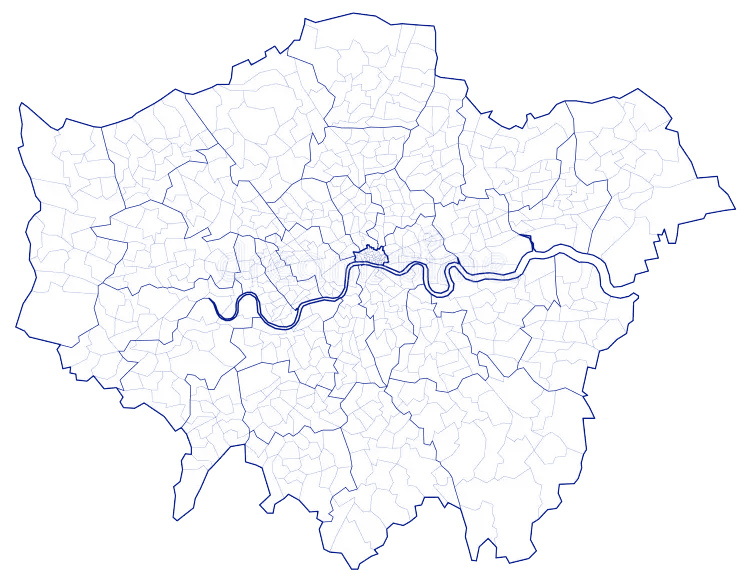
Areas We Cover in London
Crown Tree Surgeons offers expert tree pruning services across London, ensuring safe, efficient, and fully insured tree care for residential and commercial properties. We provide same-day tree pruning in Bexley, Blackheath, Bromley, Greenwich, and Lewisham, with coverage throughout North, East, South, West, and Central London.
Our skilled arborists specialise in precise pruning techniques, enhancing tree health, structure, and appearance while reducing risk from overgrown branches. With over 17 years of experience, we’re committed to maintaining vibrant, well-managed trees and creating safer, cleaner outdoor environments across the capital.
Tree Surgeon Blog
Visit our blog to find useful and insightful articles related to trees.
Tree Pruning Services FAQs
Below you can find a list of questions and answers for our tree pruning services. If you cannot find the answer to your question, please contact us on 020 8850 5938 or email info@crowntree.co.uk
What is tree pruning and why is it important?
Tree pruning involves the selective removal of branches to enhance a tree’s structure, health, and appearance. It promotes healthy growth, prevents the spread of disease, and improves safety by removing weak or overhanging limbs. Pruning also helps shape the tree, improves light penetration, and can prolong its lifespan. Regular maintenance ensures your trees stay in good condition and pose no risk to people or property, especially in residential or high-traffic areas.
When is the best time to prune trees in the UK?
The best time for tree pruning in the UK is late winter to early spring (February to March) when the tree is still dormant. This allows for faster healing and reduces stress on the tree. We avoid pruning in spring when sap is rising, or autumn, as cuts may invite fungal infections. Summer pruning can be done for light maintenance or to control growth. Always seek advice for species-specific timing and best practices.
What is crown thinning and how does it help a tree?
Crown thinning is the process of selectively removing branches from within the canopy to increase light penetration and air circulation. This reduces wind resistance, lowers the risk of storm damage, and improves the overall health and appearance of the tree. It’s especially useful in dense canopies where light and airflow are restricted. Carried out properly, crown thinning maintains the natural shape of the tree while supporting strong and balanced growth.
What is crown reduction and when is it needed?
Crown reduction involves carefully reducing the height or spread of a tree’s canopy. This is done to prevent overgrowth, avoid contact with buildings or power lines, and reduce the risk of branch failure in adverse weather. Unlike topping, crown reduction preserves the tree’s natural shape and promotes healthy regrowth.
What is crown lifting and how is it beneficial?
Crown lifting is the removal of lower branches to increase clearance between the ground and the tree’s canopy. This is especially useful for improving access along pathways, roads, and driveways. It also enhances light levels in the area beneath the tree.
Why is deadwood removal important for tree health and safety?
Deadwood removal involves cutting away dead, dying, or diseased branches to improve the tree’s safety and health. Dead branches can fall unexpectedly, posing a risk to people, buildings, or vehicles below. Removing them reduces the risk of accidents and prevents decay from spreading to healthy parts of the tree. It also enhances the appearance and structure of the tree, supporting vigorous new growth and improving the overall lifespan of the tree.
What is formative pruning and why is it done?
Formative tree pruning is a proactive technique used on young trees to develop a strong, balanced structure. It involves removing weak, crossing, or competing branches to guide the tree’s growth. This minimises the need for corrective pruning later and helps prevent structural problems as the tree matures. Formative pruning encourages a dominant central leader and well-spaced limbs, supporting long-term health, stability, and a more aesthetically pleasing shape. It’s best done early in the tree’s life.
What is pollarding and which trees benefit from it?
Pollarding is a pruning method where upper branches are cut back to a set height to encourage dense regrowth and control the tree’s size. This technique is common in urban environments to maintain trees at a manageable height and prevent interference with buildings or power lines. Not all tree species tolerate pollarding well, so it’s best suited to certain types, like London plane or willow.
What does structural pruning involve and why is it necessary?
Structural pruning shapes the main framework of a tree, promoting a strong, stable structure. It involves removing weak, crossing, or competing branches to create a dominant central leader and well-spaced scaffold branches. This reduces the likelihood of limb failure in storms or high winds.
What is canopy shaping and how does it improve a tree’s appearance?
Canopy shaping focuses on enhancing the tree’s natural form and symmetry by selectively trimming branches. It improves the tree’s visual appeal, encourages balanced growth, and helps with light and air flow. This type of pruning is often used in landscaped gardens or urban environments where appearance matters. Done properly, canopy shaping also contributes to tree health by removing overcrowded or misdirected branches, creating a cleaner, more structured look without compromising the tree’s wellbeing.
How can I tell if I need emergency tree pruning?
You may need emergency tree pruning if you notice hanging, split, or damaged branches after a storm, or if a tree appears unstable. Other signs include falling debris, cracked limbs, or branches obstructing access points. Emergency pruning addresses urgent hazards quickly, prevents further damage, and ensures the tree remains safe and stable in the short and long term.
What is clearance pruning and when is it required?
Clearance pruning involves cutting back branches that are encroaching on buildings, roads, fences, or pathways. It’s often necessary in urban areas where trees grow close to infrastructure. This type of pruning helps prevent damage to property, ensures safe pedestrian or vehicle access, and maintains adequate space for maintenance.
Why is disease and pest control pruning important?
Disease and pest control pruning is essential for removing infected or infested branches that threaten a tree’s health. This targeted approach helps stop the spread of decay or infestation and protects surrounding trees. Removing affected areas improves airflow, reduces moisture build-up, and allows the tree to focus its energy on healthy growth.
How do I know if I need a deadwood removal service?
Inspect your tree for signs of deadwood, such as brittle, leafless branches with peeling bark or fungus. If branches snap easily or there’s visible decay, the tree likely has deadwood. You may also notice increased debris beneath the tree or limbs hanging loosely. These branches can fall unexpectedly, especially in windy conditions. Crown Tree Surgeons provide a professional deadwood removal service, and can safely assess, remove these risks, restoring safety and encouraging healthy tree growth.